


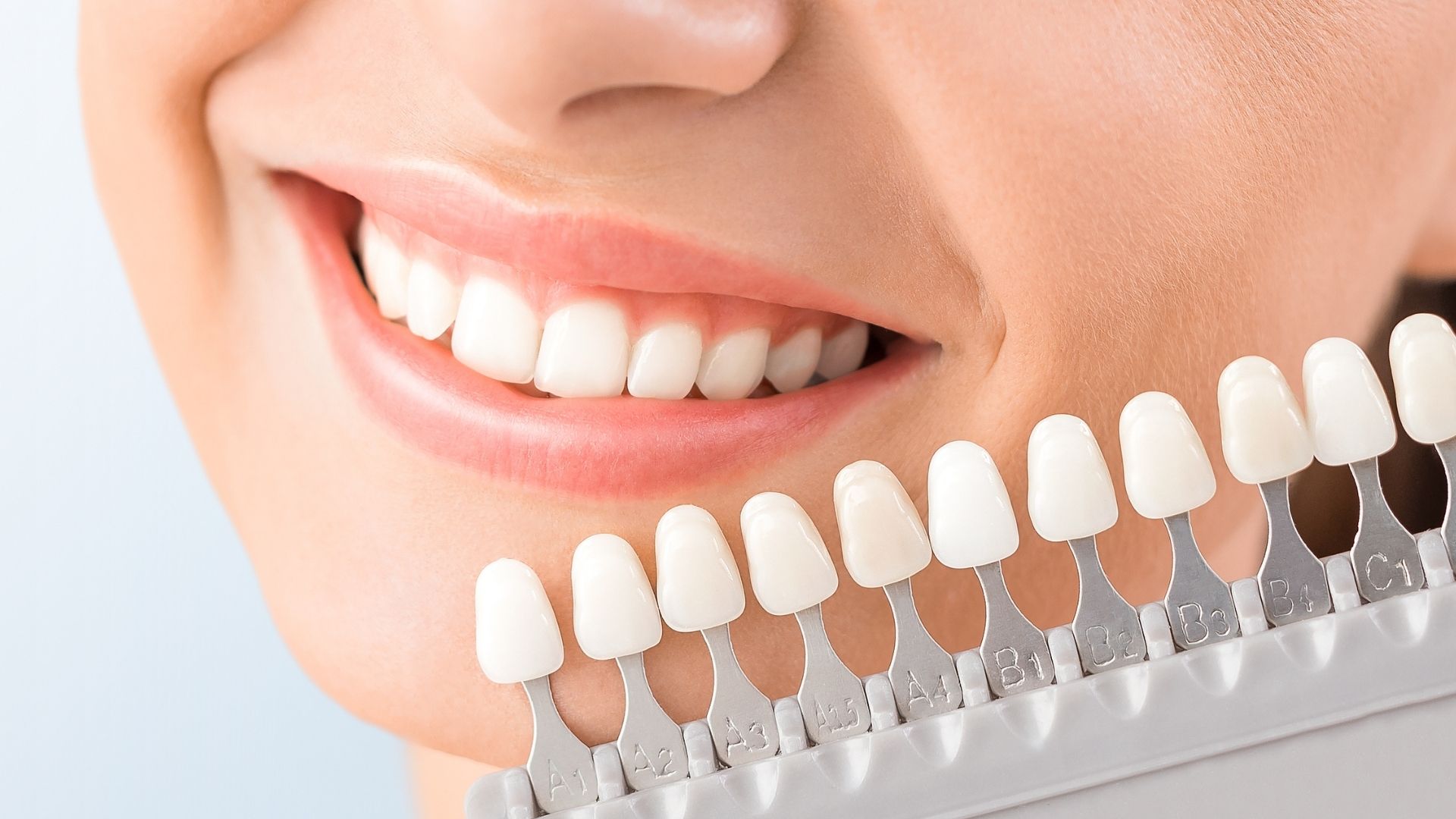
Laminate Veneer
Laminate veneer restorations are thin porcelain restorations designed to improve both the aesthetic appearance and functional structure of the teeth. They are bonded to the front surfaces of the teeth using modern adhesive systems.
Laminate veneers are considered an aesthetic, safe, and conservative treatment option with a low risk of gingival irritation. In recent years, with the growing emphasis on preventive dentistry, the use of ultra-thin laminate veneers—prepared without removing dental tissue or with minimal enamel reduction—has increased significantly.
Due to their metal-free and ultra-thin structure, laminate veneers allow light transmission, resulting in a natural tooth appearance and highly successful aesthetic outcomes.
Who Are the Target Audience of Laminate Veneers?
- Patients seeking aesthetic improvement in the anterior teeth that play a key role in smile aesthetics
- Individuals with gaps between teeth that create aesthetic concerns
- Patients with tooth discoloration where whitening treatments cannot provide permanent results
- Individuals with worn teeth that negatively affect aesthetic appearance
- Patients with minor alignment, symmetry, or shape irregularities in the front teeth
• Severe gingival recession • Too much crookedness • Impaired jaw relationship • Habits such as nail biting and pen biting
The main purpose of aesthetic dentistry is to meet the aesthetic expectations of people. Wear and discoloration of the teeth over time is the most critical problem that bothers patients. Apart from this, crowding problems and tooth loss are among the other reasons that push patients to seek aesthetic solutions.
After the laminate veneers are permanently bonded, routine brushing and flossing should continue.
Movements such as breaking shell foods, opening bottle caps, biting nails, which we should not do normally, should not be done with laminate veneers. Similar movements will cause the restorations to break or fall.
After the procedure, the patient is called for control 1-2 weeks later. Compatibility of restorations with gingiva, any fracture, crack formation, discoloration, sensitivity, oral hygiene are controlled. The patient is kept under control by being invited to routine controls recommended for everyone every 6 months.
What is inlay onlay & Porcelain
Composite restorations are optionally used in the treatment of dental caries, discoloration and trauma-induced fractures, and digitally produced aesthetic porcelain materials are called inlay onlays.