


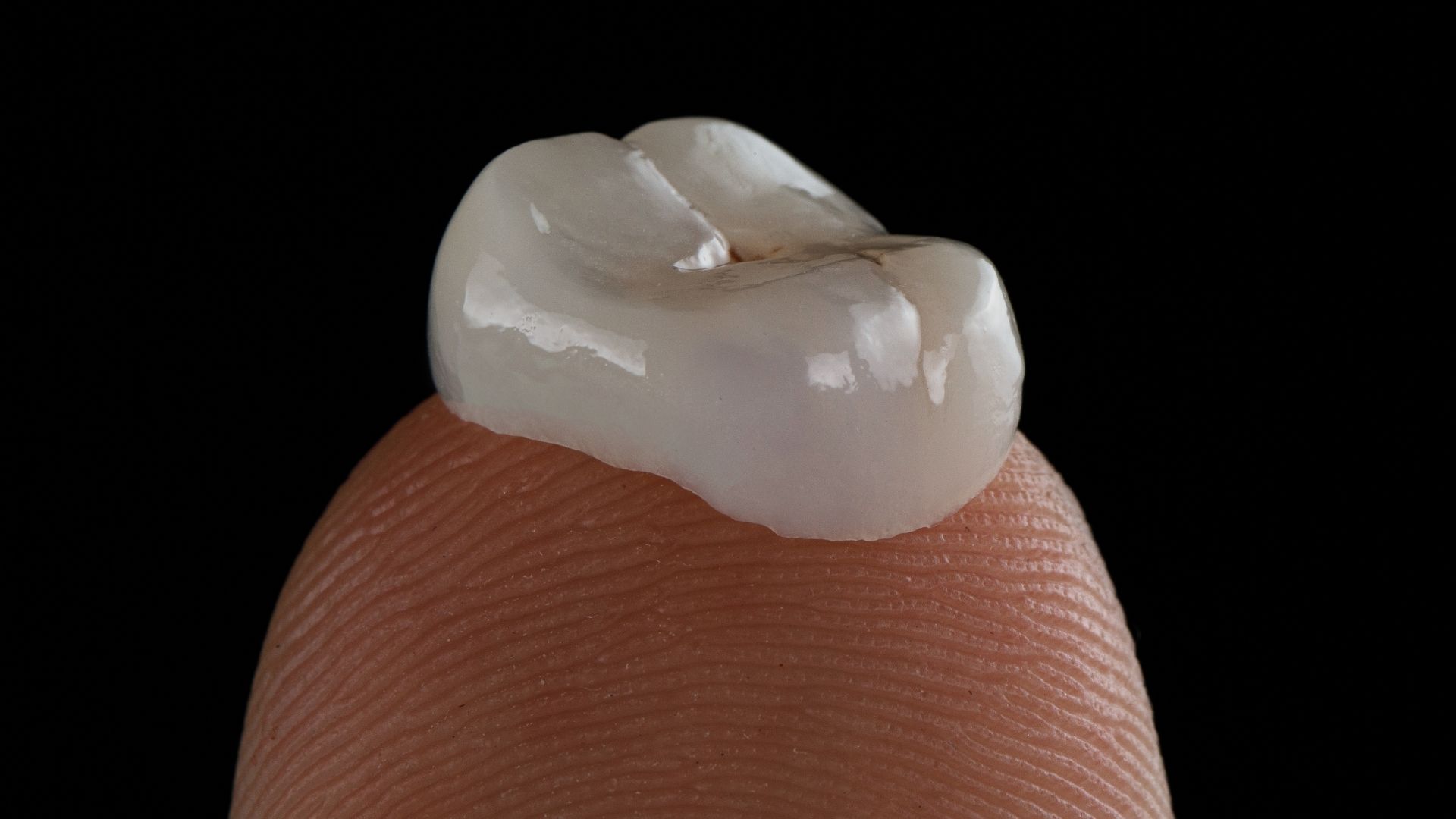
Onlay and inlay porcelain restorations are highly durable and aesthetic treatment options used when tooth structure loss is too extensive to be restored with conventional composite fillings. Especially in cases of large cavities, fractured cusps, or significant material loss, porcelain inlays and onlays provide a strong and long-lasting alternative while preserving the remaining healthy tooth structure.
These indirect restorations are custom-designed to replicate the natural color, anatomy, and functional contours of the tooth. By precisely mimicking natural enamel morphology, onlay and inlay porcelain fillings restore both structural integrity and aesthetic harmony. Compared to traditional fillings, they offer superior strength, wear resistance, and marginal adaptation.
How Is the Onlay – Inlay Treatment Performed?
The treatment is typically completed in two clinical sessions.
During the first appointment, the decayed or damaged portion of the tooth is carefully removed, and the restoration cavity is prepared with precise measurements. An impression is then taken using digital scanning or conventional methods. Afterward, the prepared cavity is sealed with a temporary filling to protect the tooth while the custom porcelain restoration is fabricated in a dental laboratory.
Within approximately five days, the patient returns for the second session. The laboratory-prepared porcelain inlay or onlay is tested to ensure accurate marginal fit and occlusal harmony. Once the adaptation is confirmed, the restoration is permanently bonded to the tooth using a light-cured adhesive cementation technique — similar to the bonding method used in laminate veneers.
Onlay and inlay porcelain fillings provide a minimally invasive, highly aesthetic, and long-lasting solution for restoring extensively damaged teeth while maintaining optimal oral function and durability.